Services
Environmental Knowledge That Creates Positive Change
From environmental education and specialist ecological training to mentoring and consultancy, Slipstream Ecology provides practical, accessible support for individuals, educational institutions and organisations.
Whether you’re developing your environmental career, delivering an educational programme or working on a biodiversity or regenerative agriculture project, we can help you take the next step.
Biodiversity & Regenerative Agriculture Advice
Educational Consultancy
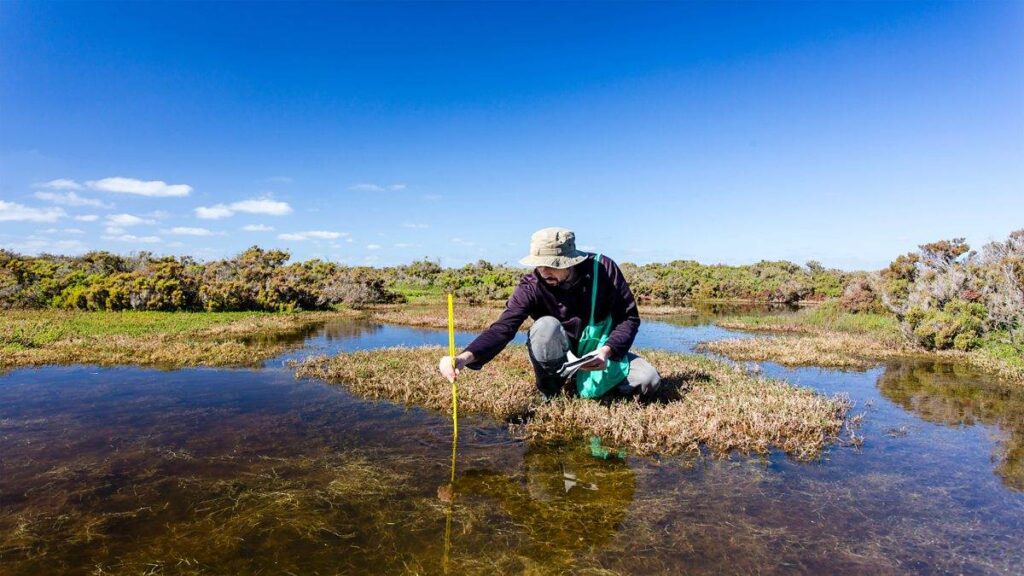
Slipstream Ecology provides environmental advice to projects, organisations and educational institutions looking to understand, protect and enhance the natural environment.
Drawing on professional experience in freshwater ecology and regenerative agriculture, we can provide practical guidance tailored to the needs of your project.
Support can include:
- Biodiversity advice
- Regenerative agriculture guidance
- Environmental project support
- Ecological advice
- Practical environmental planning
- Educational project development
Build Confidence. Develop Your Career. Find Your Direction.
Mentoring for New Entrants
Entering the environmental sector can be challenging, particularly when you’re unsure where to start or how to turn your interests into a career.
Slipstream Ecology provides one-to-one mentoring for people looking to enter or progress within the environmental sector.
Drawing on real experience across ecology, agriculture, environmental education and leadership, mentoring provides practical guidance to help you identify opportunities and work towards your professional goals.
Mentoring can help with:
- Career planning
- Professional development
- Networking guidance
- Leadership development
- Goal setting and accountability
- CV and application reviews
- Understanding the environmental sector
Support for Environmental Science, Ecology & Natural History
Tutoring
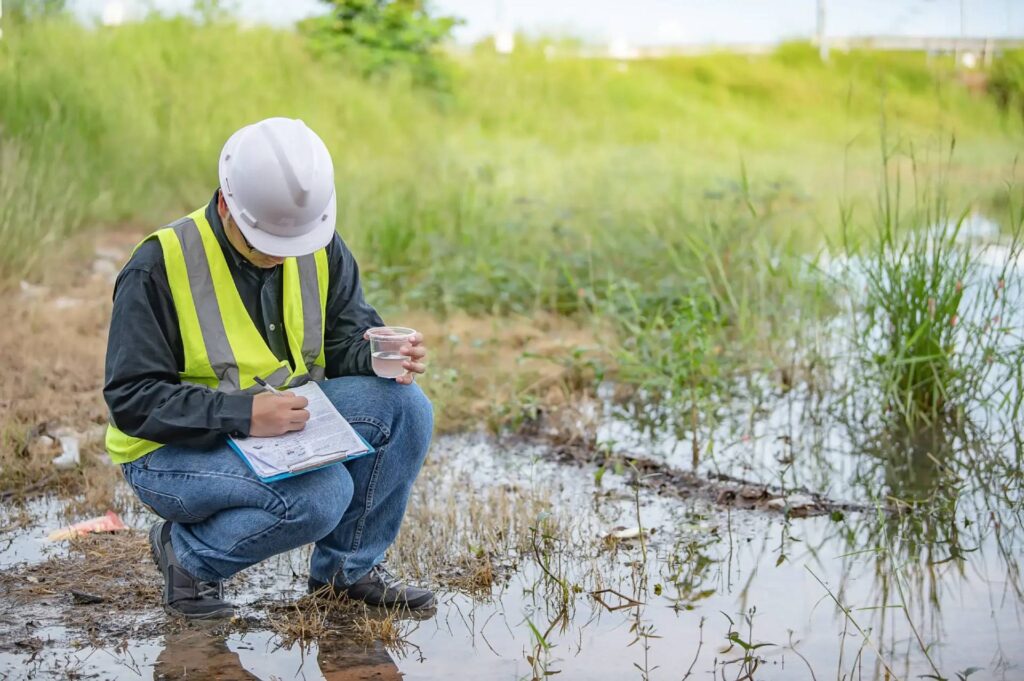
Make environmental science easier to understand through tailored tutoring and learning support.
Tutoring is available for environmental science, ecology and the new Natural History GCSE, helping learners develop their understanding of ecological principles and the natural world.
Sessions can be adapted to individual learning needs, whether you’re building your foundational knowledge, preparing for assessments or looking to develop your wider understanding of ecology.
Areas can include:
- Ecology
- Environmental science
- Biodiversity
- Natural history
- Ecosystems
- Species identification
- Environmental topics and concepts
Develop Your Field Skills
Freshwater Species Identification Training
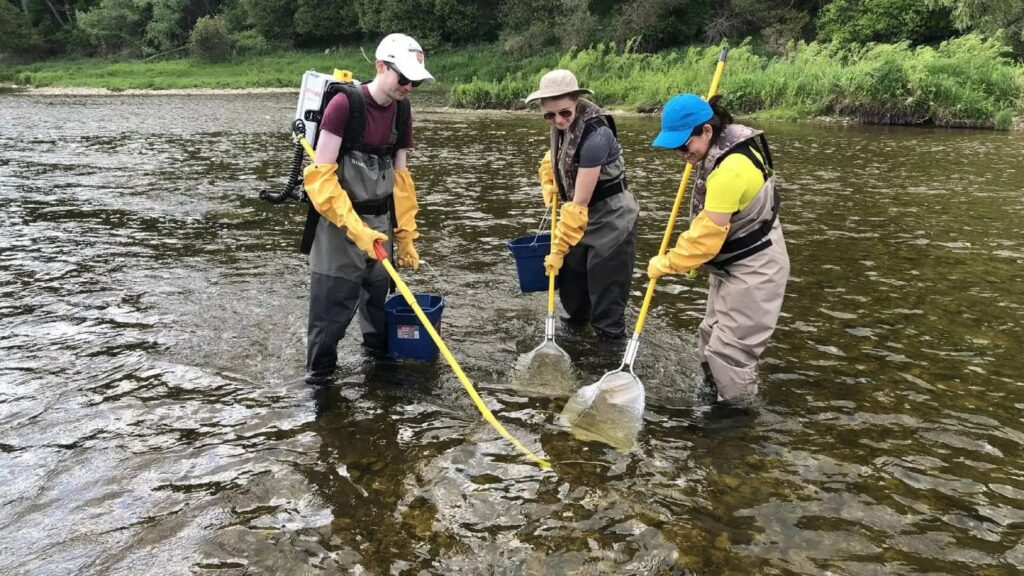
Freshwater ecosystems are home to a remarkable diversity of species. Understanding what you are seeing in the field is an important skill for ecologists, environmental professionals and anyone interested in freshwater ecology.
Slipstream Ecology provides specialist freshwater species identification training designed to develop practical field knowledge and identification skills.
Training can cover:
- Freshwater macroinvertebrates
- Macrophytes
- Freshwater algae
- CPET
- Field identification skills
- Survey techniques
- Ecosystem classification
- Practical freshwater ecology

Environmental Learning Beyond the Classroom
Digital Learning & Social Media Education
Environmental education can happen anywhere.
Slipstream Ecology creates accessible digital content designed to make environmental knowledge easier to understand and engage with.
Through educational videos, online training content, species identification tips and biodiversity insights, we aim to bring environmental learning to a wider audience.
Explore content covering:
- Species identification
- Biodiversity
- Ecology
- Environmental education
- Regenerative agriculture
- Field skills
- Environmental insights
Develop the Skills to Lead Environmental Change
Environmental Leadership Training
Environmental challenges require people who can bring knowledge, communication and leadership together.
Slipstream Ecology provides environmental leadership training designed to help individuals and organisations develop the skills needed to create positive environmental change.
Training can focus on:
- Environmental leadership
- Communication
- Stakeholder engagement
- Collaboration
- Project leadership
- Environmental stewardship
- Goal setting
- Personal and professional development